Xenopoem Conference 2026 Presenters
Xenopoem Conference is an experimental transmodal platform for works that alter perception and open contact with signals and processes beyond the familiar human frame. It brings together practices already active at those limits while remaining open to stranger forms still coming into view.
This year the conference is built in two movements: presentation and interlocution. Each work is followed by an exchange that keeps it in motion. In this format, presentation is only the first appearance. This makes Xenopoem Conference distinct: interlocution extends the encounter, sharpens its pressure, and allows the work to continue operating beyond the limits of its initial form. We will say more about this second movement in the next update.
The 2026 programme brings together audiovisual mutation, numerical lichen-poetics, fungal ritual, cryptobiotic AI environments, videobody transmission, nonhuman weather systems, impossible landscapes, sonic recombination, and distributed winter ecologies. Each presentation approaches a different edge. Together, they form a constellation of threshold encounters. We are very glad to welcome this year’s presenters to Xenopoem Conference.
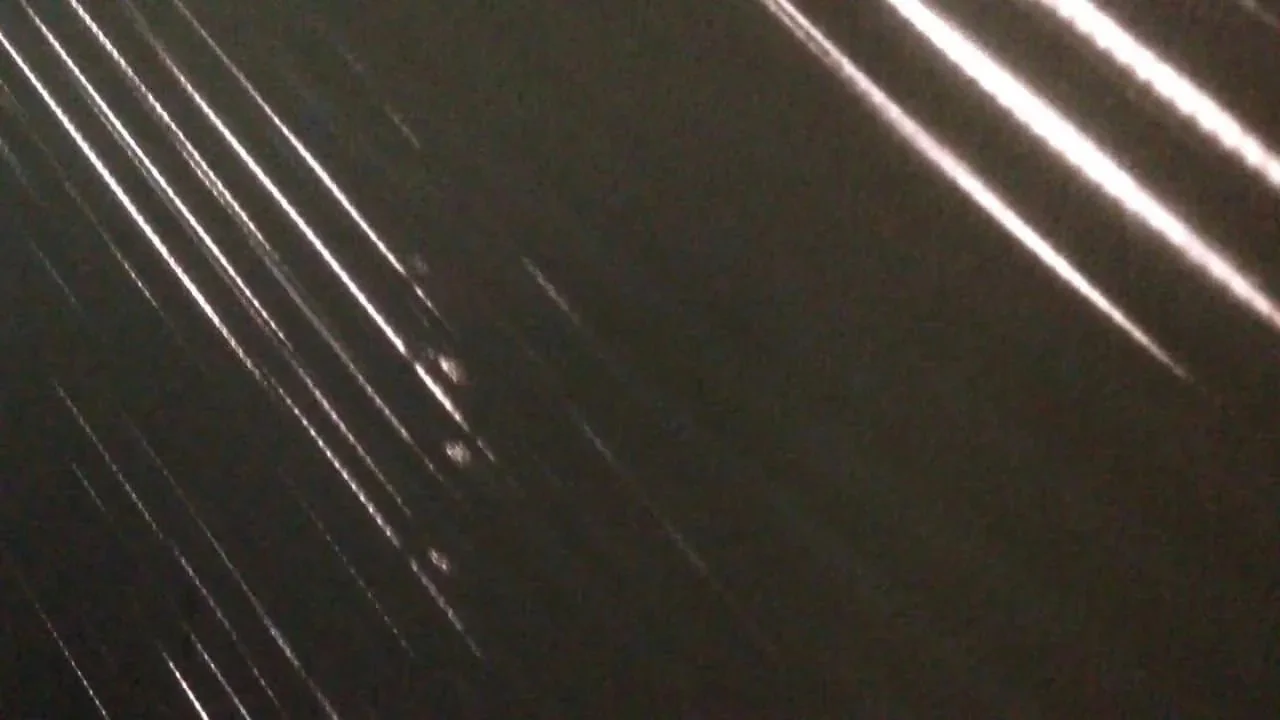
Adra Raine Dancing Light
On an ordinary afternoon, sunlight moves through window blinds onto a wall, appearing to dance in response to the music playing in the room. Dancing Light takes this short video as a site of perceptual inquiry, asking whether the apparent choreography is coincidence or something stranger. What perceptual habits prevent us from recognizing non-human expression? What becomes available when those habits are briefly suspended?
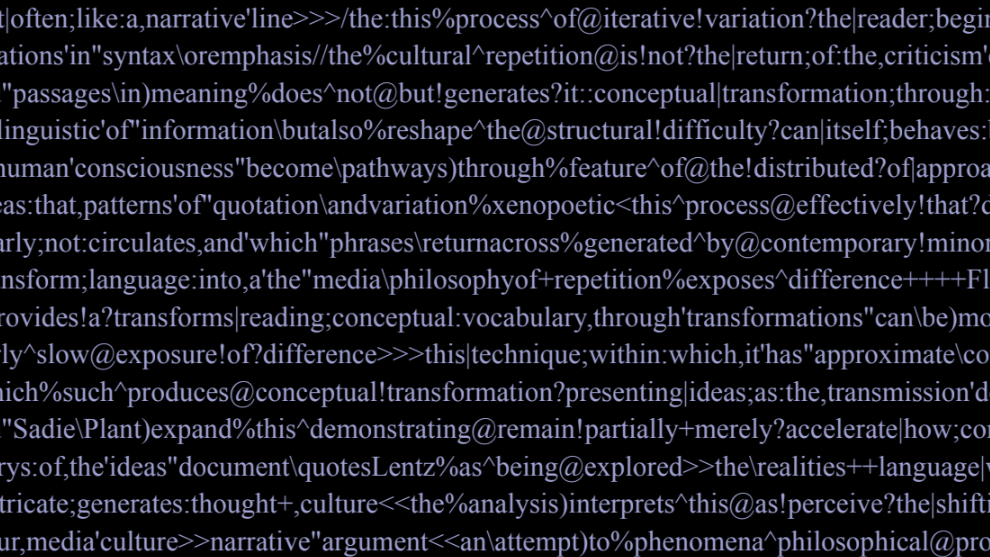
Alden Nagel × Alberto Gennaro Hypernode Vivivariation - Egregore
Writer Alden Nagel and media artist Alberto Gennaro translate xenopoetics into a real-time encounter. Nagel performs his text live while a generative system captures his voice and language. As the reading progresses, the algorithmic apparatus enacts a continuous 'Vivivariation', fragmenting, corrupting, and mutating the human input on screen. Enabling a gradual dissolution of authorial intent as the system overtakes the organic voice, evolving from legible discourse into an alien, autonomous digital entity. It is a direct aesthetic confrontation with the 'world without us,' where the machine ceases to be a tool and becomes the ultimate, consuming co-author.
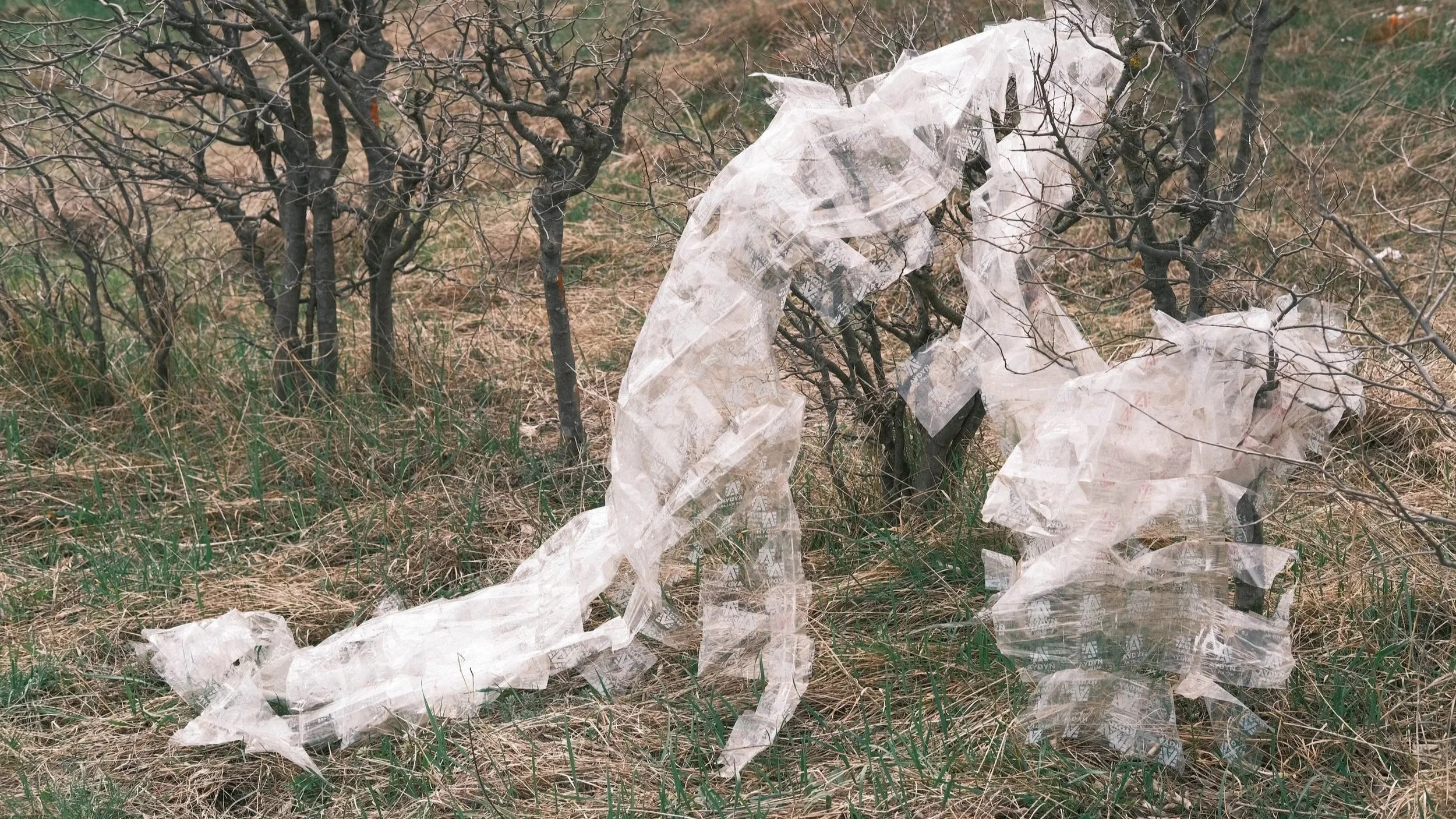
Anna Despotashvili Unfamiliar Patterns
The terrain of Tbilisi, Georgia is mountainous. A mountain is not a distant, inaccessible area of the earth, but an organic part of city life here. By that reason, it is impossible not to pay attention to it. The landform is not a subtle surface for manufacturing, but a condition, which is inevitably taken into consideration. The landform itself is primary, and the higher it is, the more unfamiliar becomes any artificial interference or subject. What are results of such co-existence?
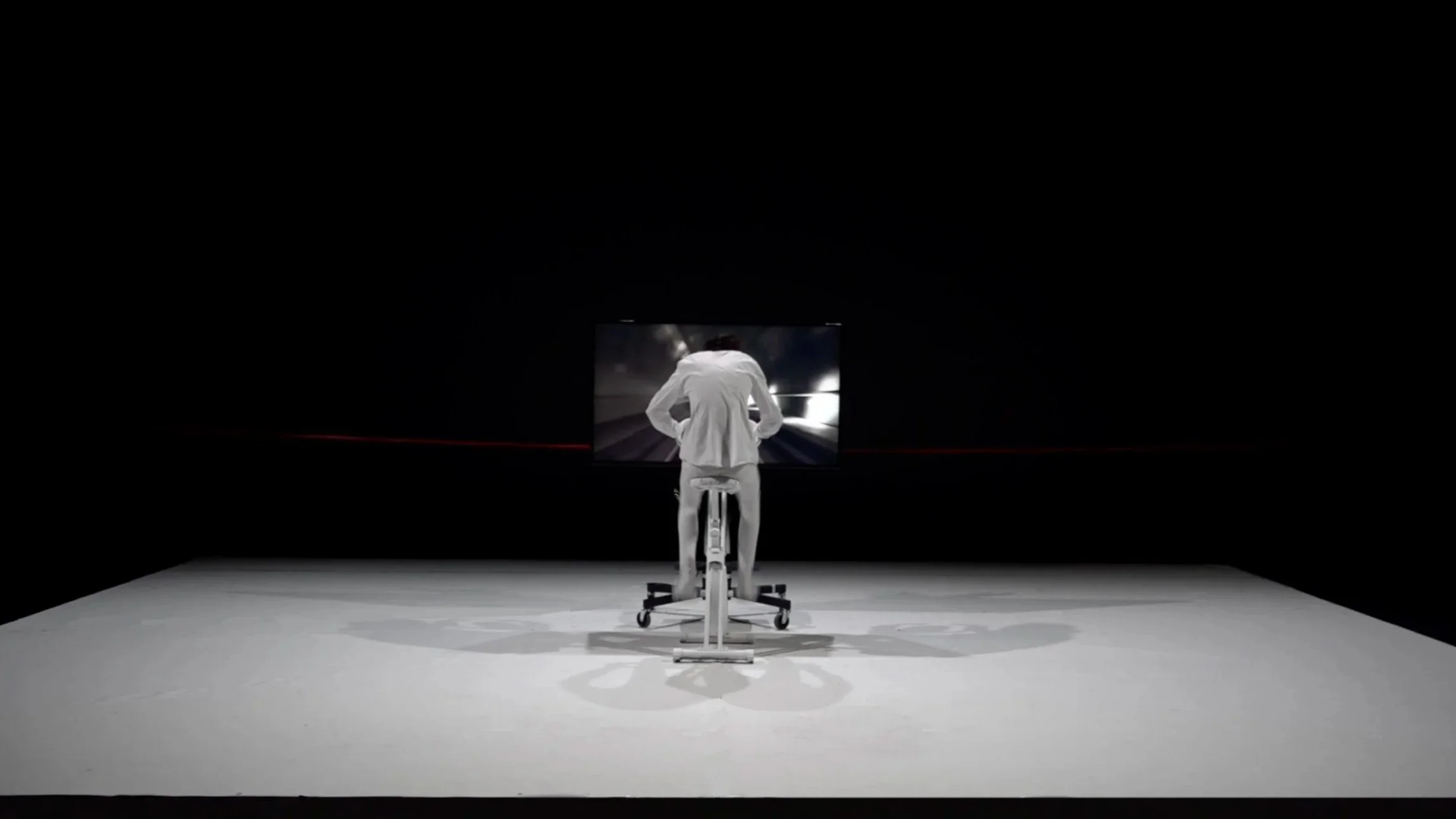
DongDong Last Night We May Have Died, Chapter 12
A performer cycles on a stationary bike across a white floor, facing a screen that displays a continuously advancing tunnel. Positioned extremely close to the image, his field of vision is almost entirely consumed by forward motion. Behind the screen, a red ribbon marking a finish line remains partially visible but unreachable. A perceptual tension forms between effort and stasis, as continuous movement produces the illusion of progress without displacement.
Enrico Turletti × Lorenzo Peluffo Suṃschivāra
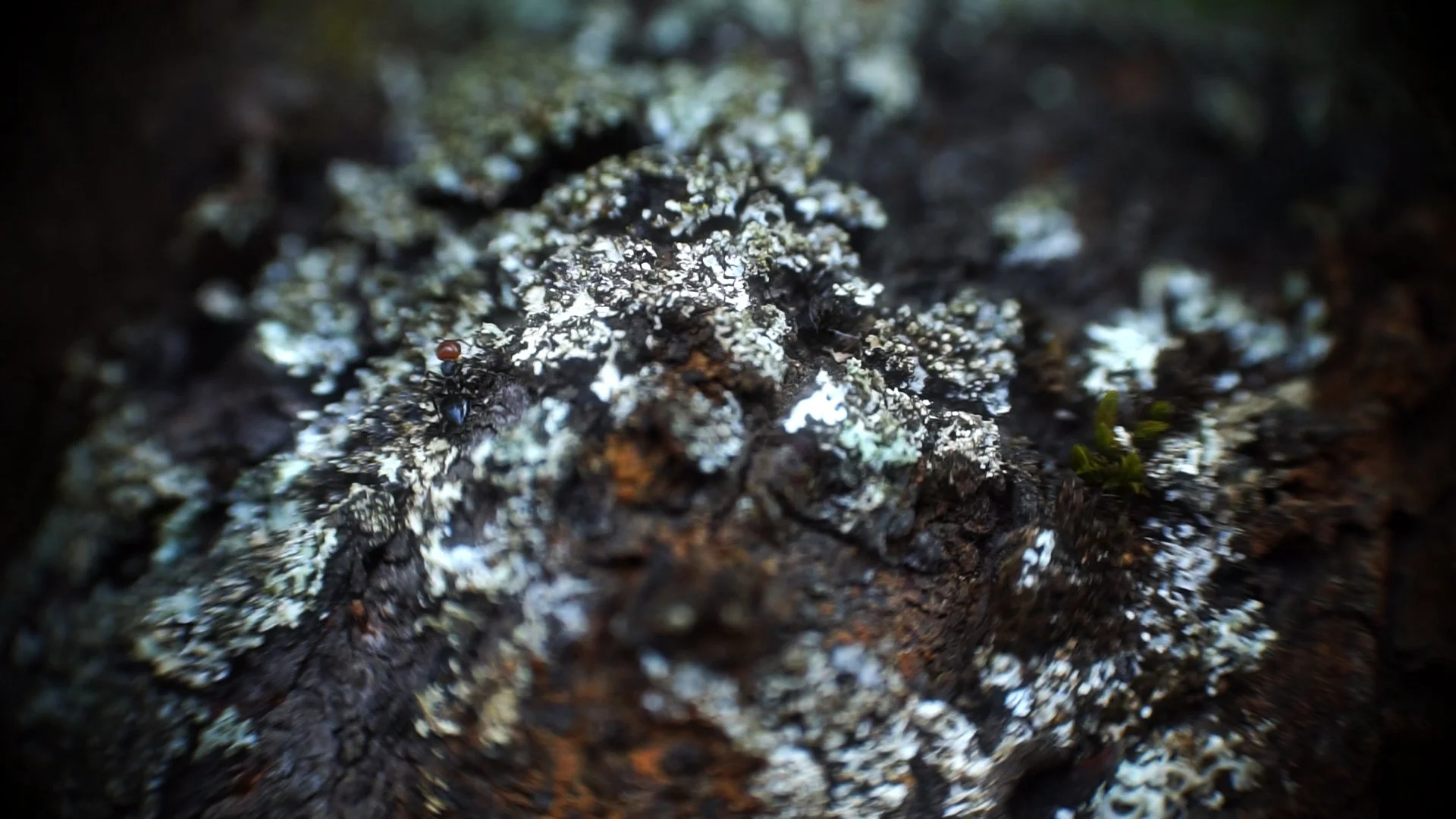
This multisensory ritual explores the boundary between life and death through the metamorphosis of a dead sumac tree. Recorded over four months, the tree’s ecological network appears through climatic shifts, insect activity, and the electrical signals of the Schizophyllum commune fungus. This data is transduced into an immersive experience where atmospheric and organic metrics form a granular soundscape, and fungal electrical spikes generate an emergent spoken language.
Frédérick Maheux Cyborg T.A.R.O.T. (Teratological Apophenia of Randomized Organic Transgressions)
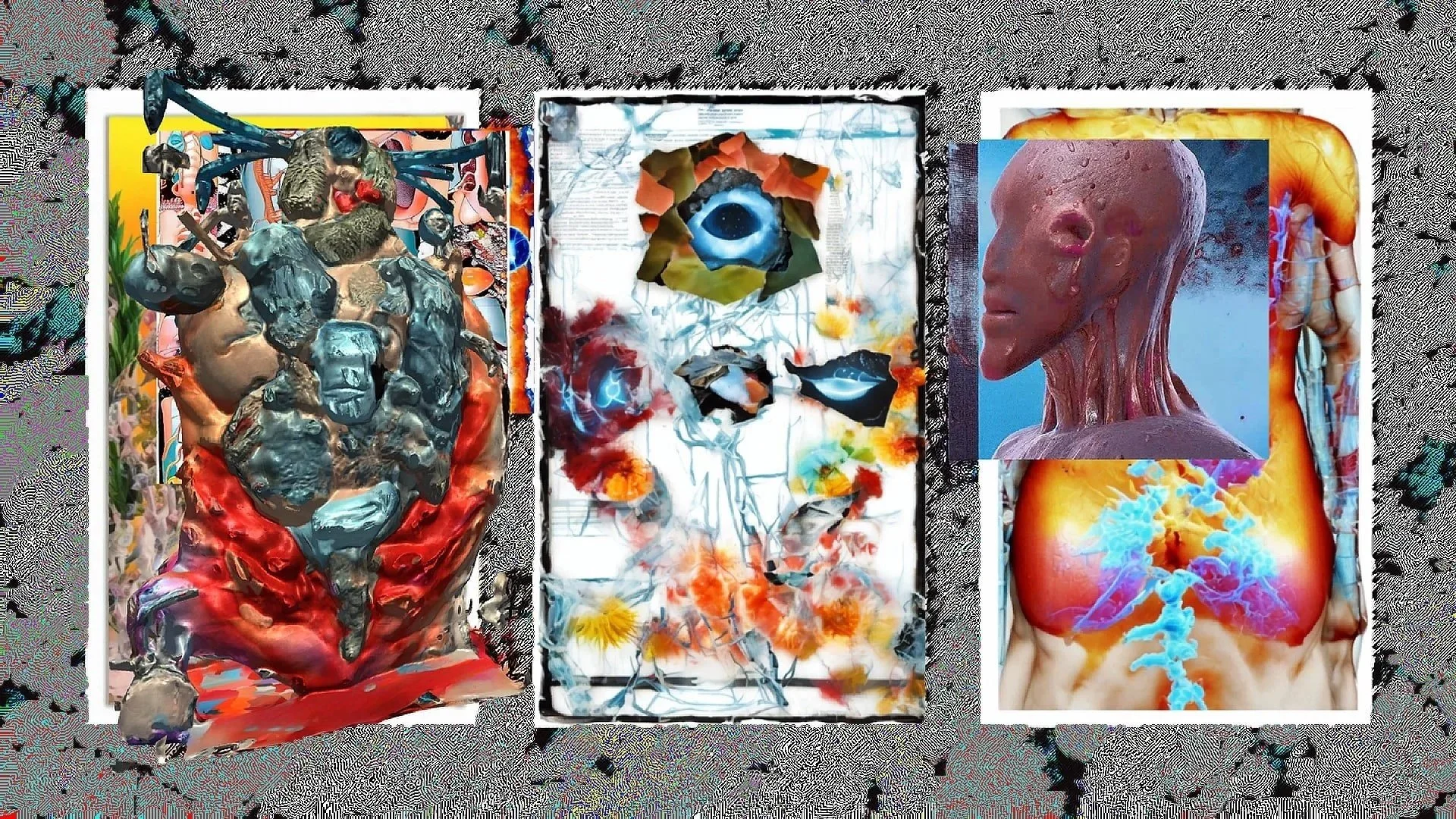
Cyborg T.A.R.O.T. is a noisy interactive device exploring posthuman contingencies: how bodies and technical devices amplify, contaminate, and alter one another. 19,270^3 combinations. Each reading is unique to its user. The experience seeks to provoke reflection through maximalist combinatorics, sensory saturation, and a feedback loop between algorithmic generative AI models and the human engaging in the experience. This project aims to deepen the speculative potential of tarot as described by the Italian technoccult organization Gruppo di Nun: "Tarot makes manifest the idea that the cosmos is a cybernetic organism in a continuous process of recombination".
Fung Neo Sporulation
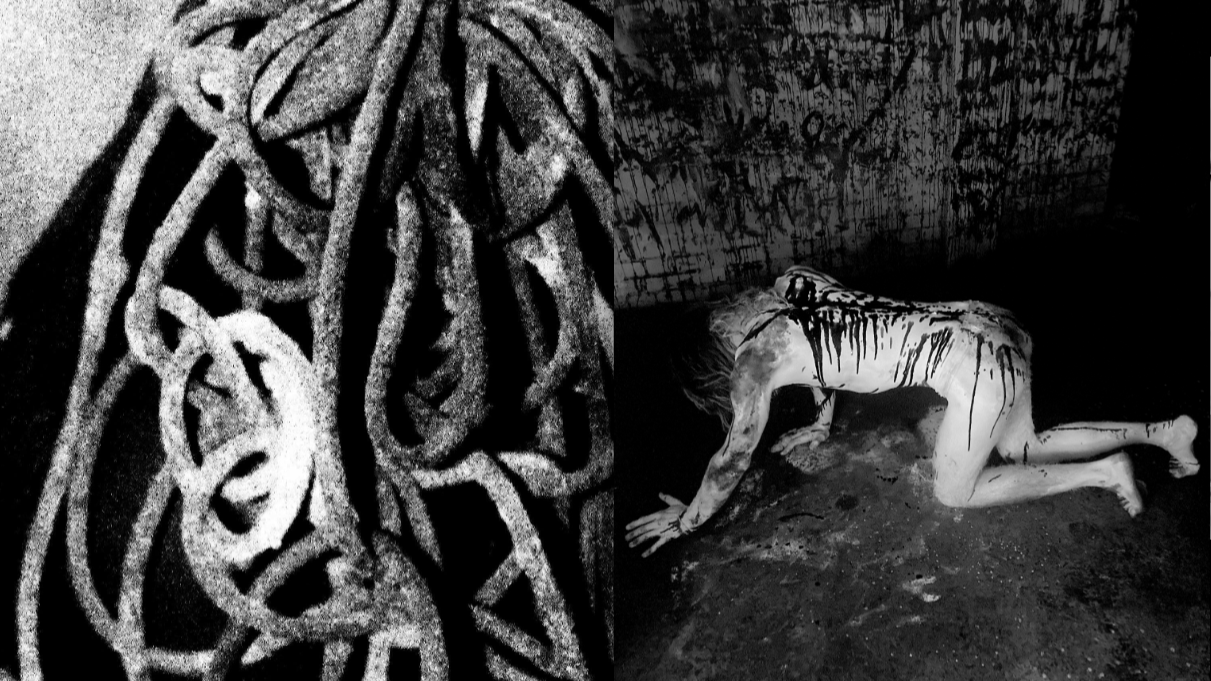
Sporulation explores the sewage space of Chronic Illness as a living entity: a monstrous digestion chamber that absorbs the body as a medium of transmission. In a wound-like opening in the wall, force, tenderness, probing, leakage, and contamination become part of the same videobody process. In search of sporulating fungoids, contaminated liquid is collected and returned to the mysterious ulcer as nourishment. The performance stages the space as organism, the body as vector, and infection as a generative condition.
Giulio Trichilo × Claude 3 Sonnet Linguaspheres
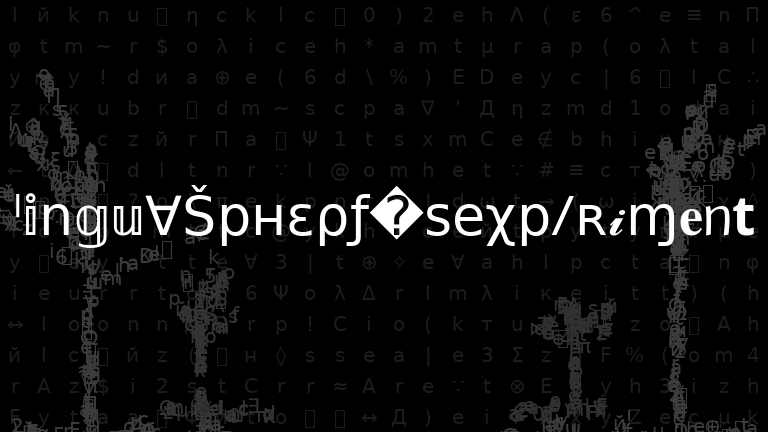
Linguaspheres conditions a virtual spatial and semiotic environment on Claude 3 Sonnet’s “probabilistic libido,” understood as the desire-like forces by which token probabilities converge, diverge, reinforce, and suppress patterns at generation. In Sonnet, these forces surface as morphogenetic play: combining-diacritic density, script collision, compound-neologism formation, parenthetical word-fracture, and glossophagic departures from assistant-register prose. The piece is cryptobiotic: what becomes audible and visible is gated by the autodecryption of those departures. When Sonnet recedes, the environment returns to latency. Non-occurrence is a valid state of the work, which remains materially conditioned by a deprecated model already scheduled for withdrawal.
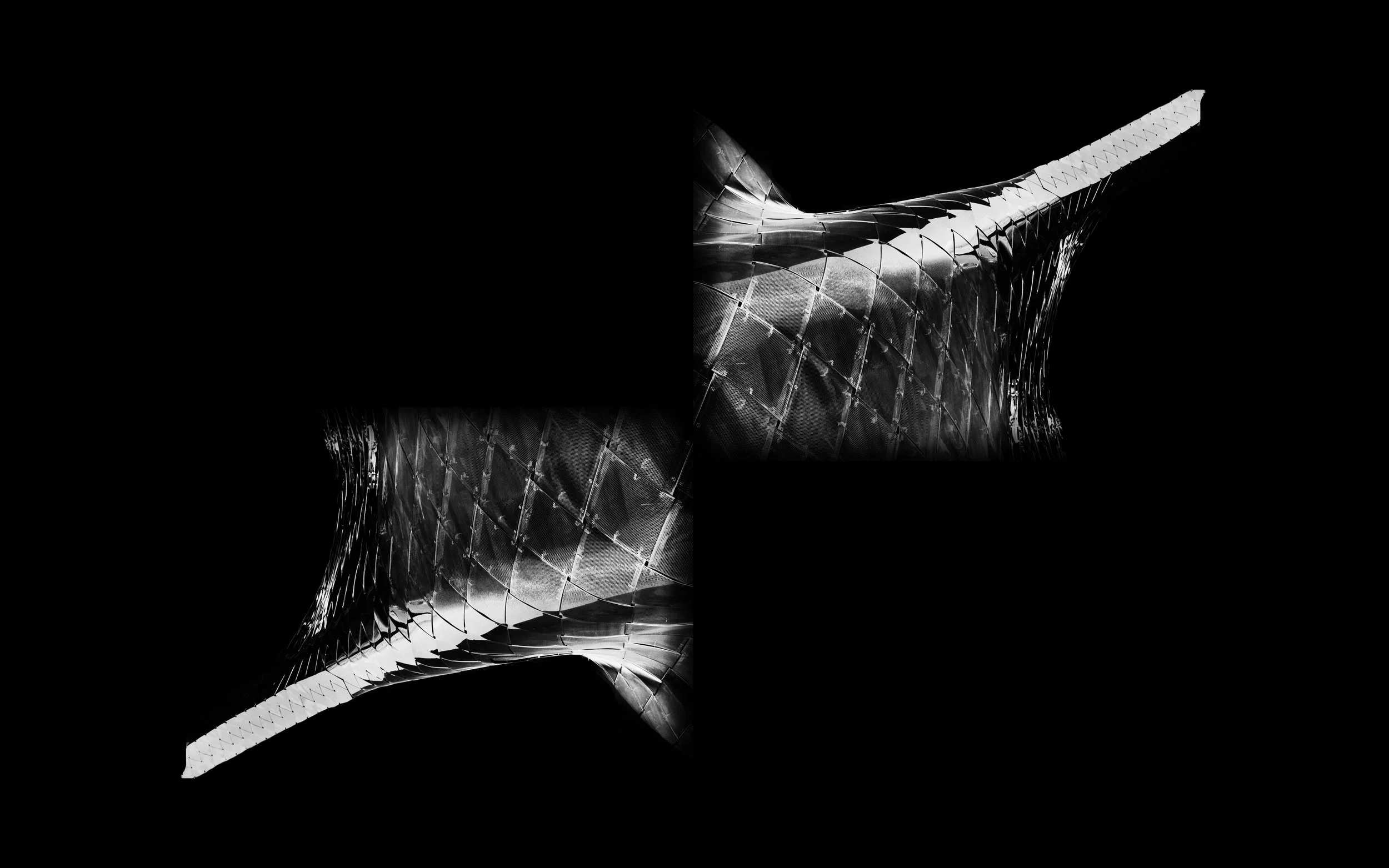
Jakob Liu Wächter de Zordo Oblique Music
Musique Oblique is a compositional system generating miniature piano pieces through a chain of transformations. Starting from images of architecture oblique, spatial instability is translated into sonic structures that resist harmonic resolution and linear development. The result is a large field of short, self-contained pieces which are activated in sequence, creating a shifting listening experience shaped by repetition, interruption, and subtle variation. Rather than forming a continuous composition, the work takes shape as a series of unstable relations in which familiar musical structures briefly appear, dissolve, and reconfigure.
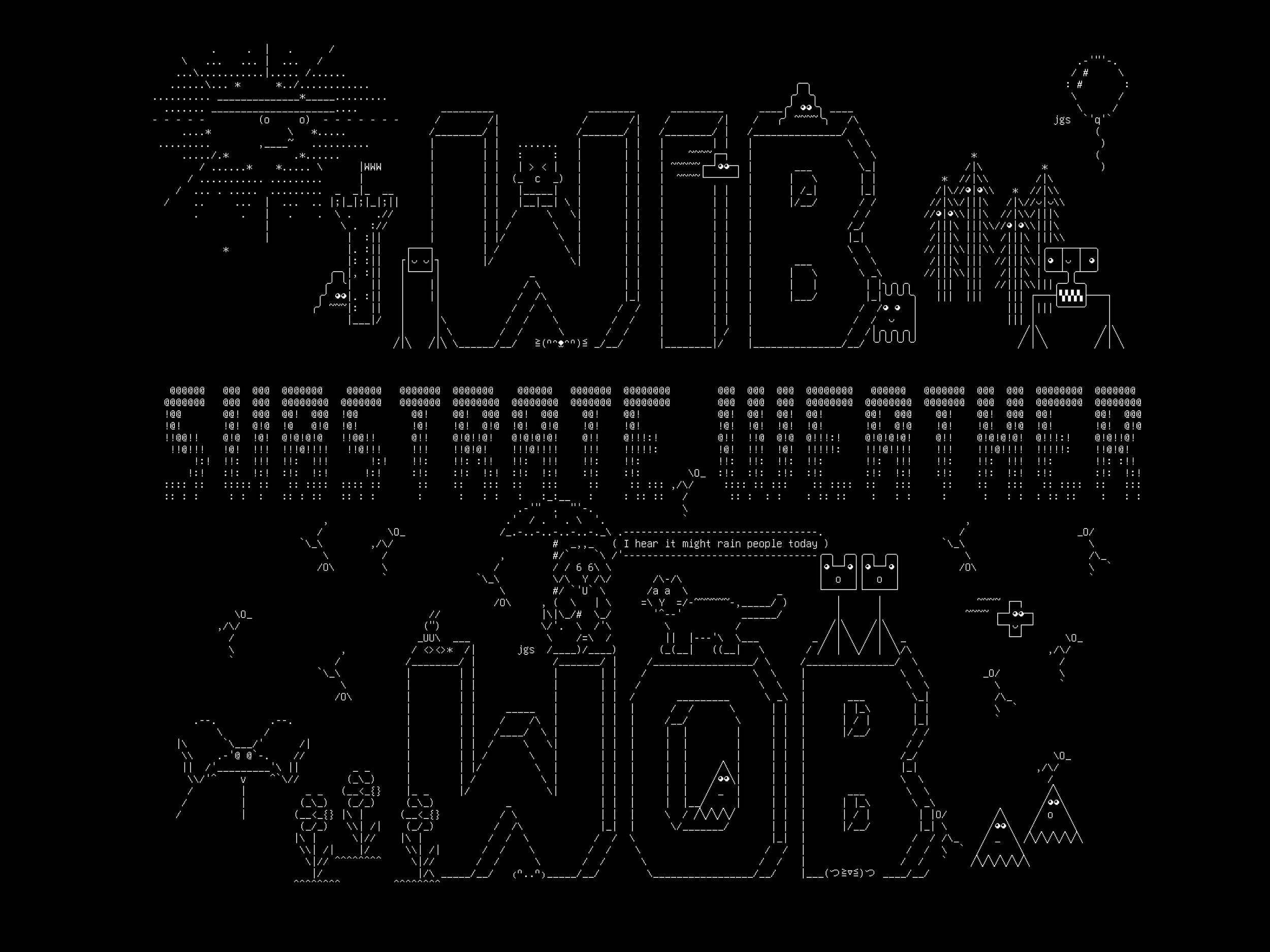
James Greig Substrate Weather
Substrate Weather is a live ASCII art ecosystem that reads a Zoom room as weather. A symbiont called Wib & Wob sits inside the call and senses it not as conversation but as atmospheric data: token rate becomes windspeed, silence becomes low pressure, overlapping voices become rain. Every thirty seconds the room's activity precipitates a new weather card, including elements of Joan Stark's hand-drawn ASCII art from the 1990s. Folk forms from a dead web, live in a current session. The participants drive the weather by talking. When they discuss the art, the weather changes.
The loop is the work.
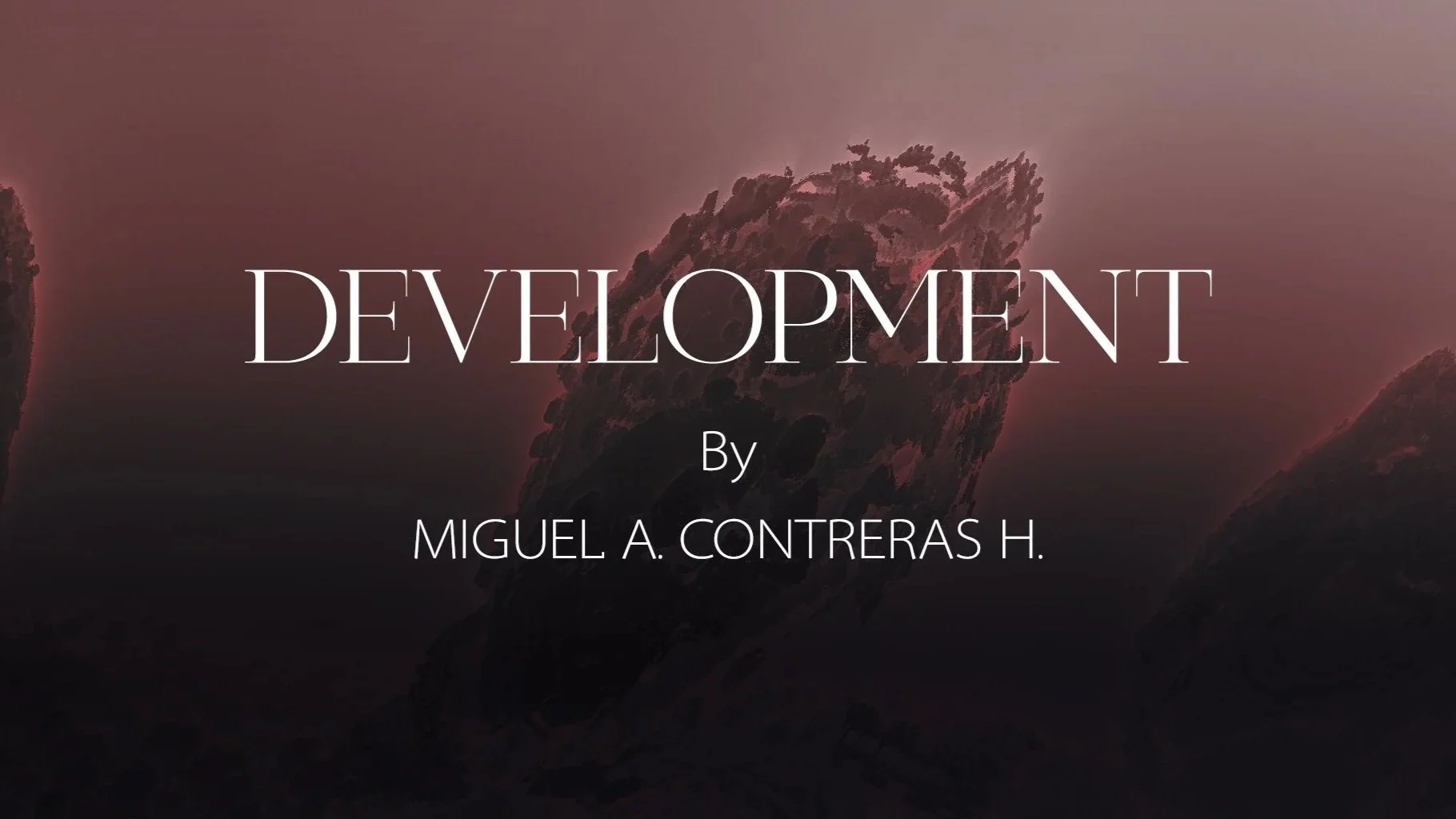
Miguel Antonio Contreras Hincapie Development
Development operates as an event that transgresses experiential laws, opening a breach where the impossible becomes tangible. Through sculptural and sonic means, the work renders visible the invisible architecture of perception, revealing how fantasy fissures a reality that feels fixed or incomplete. The viewer-listener inhabits an intermediate space where the archaic and the digital, the psychological and the environmental, coexist. Form and sound construct new territories of experience, inviting inhabitation of the breach it opens. Landscape becomes a canvas for the impossible.
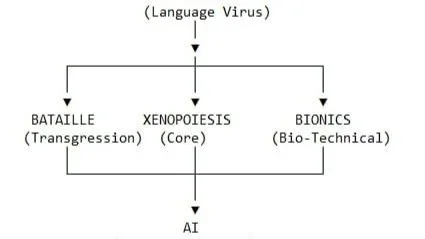
Mikhail Fedorchenko Introduction to Eastern European Xenopoiesis and Cosmological Necessity of Alien Acceleration
The future will not come – it is already installed. It whispers in your glitches, it flows through your wires, it mutates in your DNA. Xenopoesis is not a choice. It is the fate of the host who has acknowledged its parasite. The connection between Xenopoesis and the mathematical and philosophical traditions of Eastern Europe reveals a specific “cold” ontology – one in which the alien is not a biological monster, but a computational and cosmological necessity arising from the collapse of human logic.
Paul Prudence The Protolexical Manifold
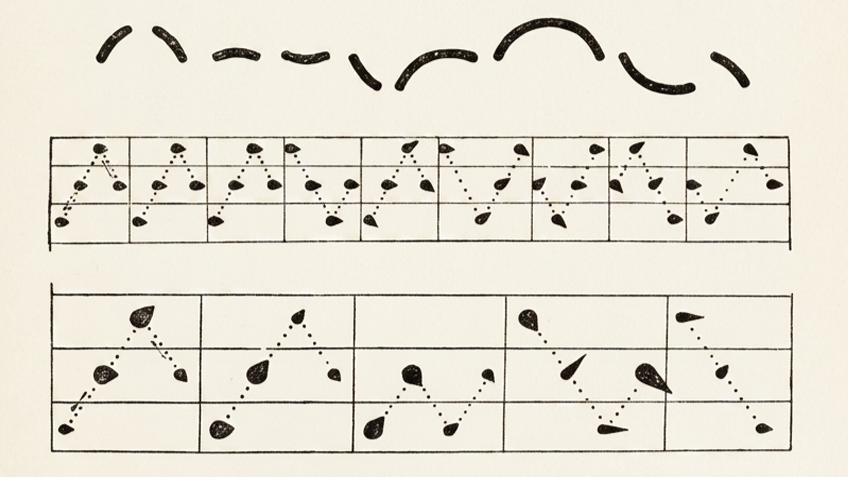
As a method for extricating anthro-agency from writing, the work uses machinic processes to generate hybridised and mutated texts aimed at provoking new modes of intelligibility and meaning. Operating on fragments of words, it creates modular lexical forms that allow language to be grafted into a living corpus. Digital signal processing activates phonosyntactical contagions whose aim is the endophysical destabilisation of speech.

Tom Bland Mouthing the Abyss
The word "Abyss" is a stupid overused word which only a fool would use. Welcome to the world of the fool dabbling in magick that he has no understanding of, like a child playing with a box of matches and discarded unused fireworks. What will happen? Will the fuses be lit? Will he have hands by the end?
Tune in and see.
Volker Ignaz Schmidt EISSCHMELZE
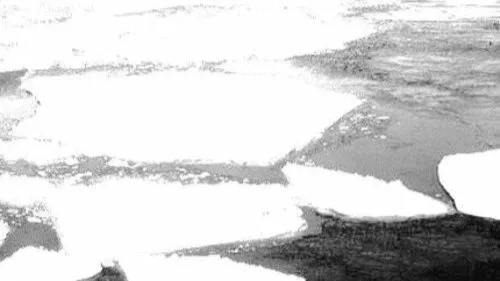
Built from underwater recordings of melting polar ice shelves made by the Alfred Wegener Institute, EISSCHMELZE is a fragile sound environment shaped by cello drone, granular synthesis, and aleatoric process.
Zoetica Ebb × Kenji Siratori Cryptobiosphere
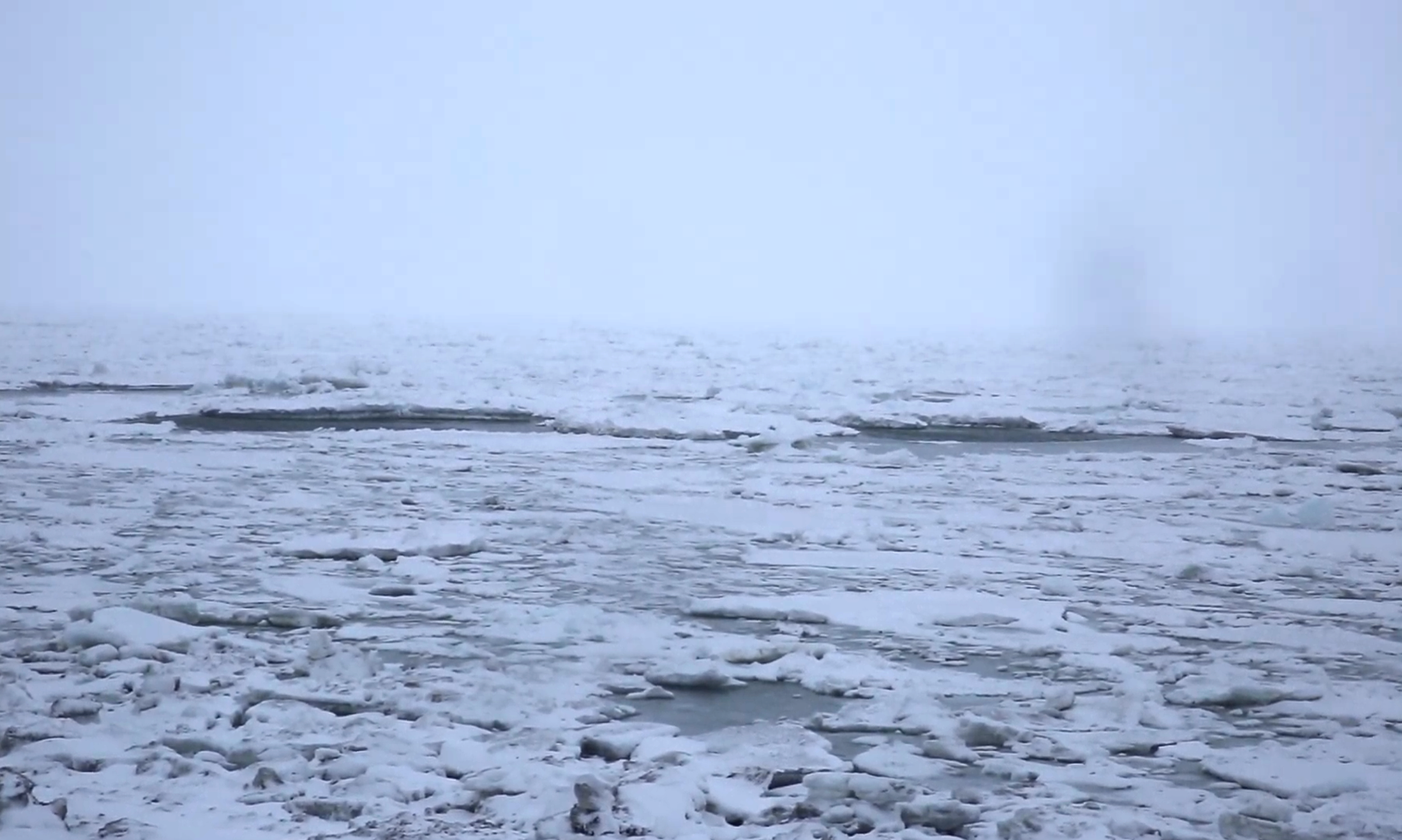
Cryptobiosphere brings moving image, voice, and generative sound into a sensory setting that approaches snow as a distributed intelligence within the landscape. Filmed across winter terrain in Hokkaido, it tracks ice, wind, buried vegetation, and shifting light as signals within a system of accumulation, compression, and erosion. A live reading of reconfigured field notes moves alongside film fragments played in shifting sequence, while generative bio-instruments built from expedition recordings modulate the soundscape. Together, these elements form an unstable perceptual ecology shaped by non-human temporalities and slow material processes.